Enhance Sage 50 stock control with real-time inventory, multi-warehouse management, batch tracking, and accurate reporting for growing businesses. Eliminate discrepancies and enforce warehouse discipline with real-time inventory synchronisation and structured location control.
Sage 50 stock control software extends the core stock functionality within Sage 50 Accounts by introducing structured warehouse processes, location control and real-time synchronisation. It is designed for businesses that require operational discipline without replacing their accounting system. Sage remains the financial master, while warehouse activity becomes controlled, traceable and accurate.
Many businesses begin using Sage 50 with simple stock features enabled. As transaction volumes increase, product ranges expand and additional warehouses are introduced, limitations start to appear. Manual adjustments become more frequent. Spreadsheets are used to track bin locations. Stock checks take longer and discrepancies become harder to explain. This solution addresses those issues directly.
Sage 50 provides quantity tracking and valuation, but it does not manage structured warehouse workflows. There is no enforced bin scanning, no directed movement control and no validation at the point of pick or receipt. Over time this can lead to:
All warehouse movements — goods receipt, internal transfers, picking and dispatch — synchronise with Sage 50 either instantly or via controlled intervals. This ensures financial records remain aligned with physical stock. There is no duplication of databases and no fragmentation of valuation data. Nominal codes, VAT treatment and cost prices remain governed by Sage.
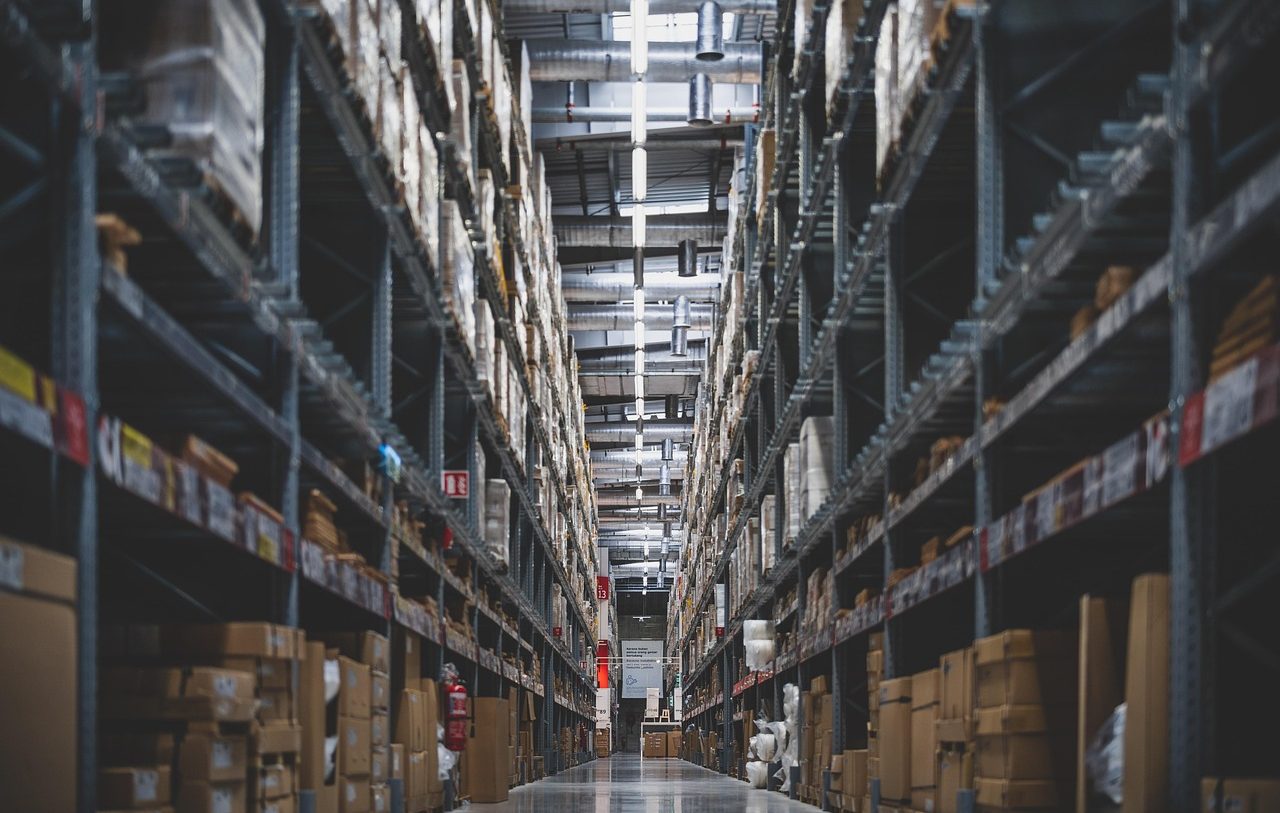
The system introduces structured bin, zone and warehouse control. Users can see precisely where stock is stored across all sites. Transfers between bins or warehouses are recorded with full audit trails. This is particularly valuable for businesses operating trade counters, satellite warehouses or overflow storage.
Where traceability is required, batch and serial numbers can be captured during receipt and tracked throughout movement and dispatch. This supports warranty control, compliance requirements and customer service investigations.
Minimum stock levels are monitored automatically. Replenishment reports can be generated based on actual warehouse consumption rather than periodic manual review. This improves purchasing accuracy and reduces emergency buying.
All stock movements are logged. Adjustments, transfers and corrections are fully traceable. Management can review movement history by product, warehouse or user, strengthening internal control and audit readiness.
High-volume operations requiring rapid, accurate order fulfillment.
Complex environments where part traceability is critical to the workflow.
Perfect for businesses managing overflow storage or regional hubs.
This solution is particularly suitable for businesses experiencing growth that require improved visibility without migrating away from Sage 50.
Expert insights on Sage 50 inventory enhancement
No. This solution works alongside Sage 50. Sage remains your "Financial Master" for accounting, while this software handles the physical warehouse operations and logic.
The system supports real-time synchronisation. Stock levels and order statuses in Sage 50 are updated as soon as an action is completed on the warehouse floor.
Yes. You gain granular visibility across multiple warehouses, satellite sites, and even specific bin locations or overflow storage zones.
Absolutely. Barcode scanning is a core component, enforcing validation during picking and receipt to eliminate human error and "ghost inventory."
The system captures batch or serial data at the point of receipt, tracking that specific unit through every move until it is dispatched to the customer.
There is no practical limit. The software is designed to optimize performance for high-volume environments that have outgrown the native speed of Sage 50.
Our mobile solutions feature offline resilience, allowing your staff to continue picking and receiving. Data is automatically synced once the connection is restored.
Depending on complexity, most businesses are fully integrated, trained, and live within a 4 to 8-week timeframe.